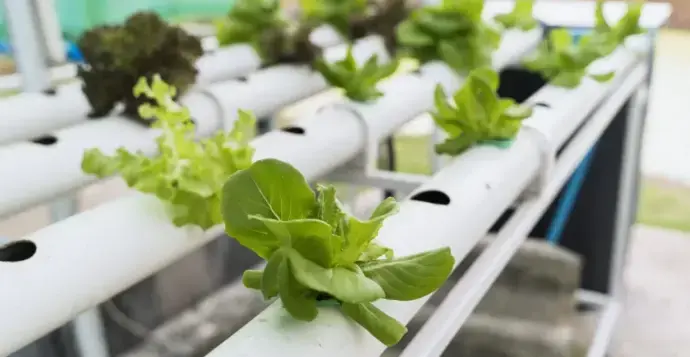
Precision agriculture is a revolution in the way we produce food. It is no longer just about planting and watering. Today, agriculture combines technology, data, and analytics to maximize results and protect resources. This transformation ranges from large traditional fields to advanced systems such as hydroponics, vertical farming, and plant factories.
What Is Precision Agriculture
Precision agriculture is a management strategy that uses data, sensors, intelligent systems, and advanced technology to make accurate and specific decisions at every stage of crop production. Instead of applying water or nutrients uniformly or randomly, this method adjusts each variable according to the actual needs of the crop in real time.
With sensors, GPS, cameras, drones, data analytics, and connected devices, growers can:
Measure environmental conditions instantly
Detect stress or problems before they are visible to the naked eye
Automatically adjust irrigation, nutrients, temperature, and light
Optimize time, energy, and resources
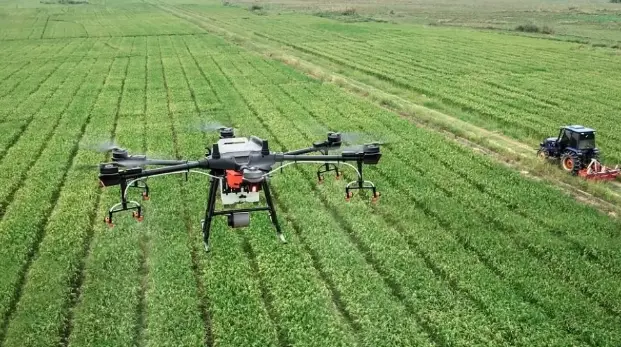
This leads to healthier crops, higher productivity, less waste, and reduced environmental impact.
Why It Matters for Hydroponics
In hydroponics, each plant receives water and nutrients directly without soil. For this reason, precisely monitoring variables such as electrical conductivity, pH, temperature, and light levels is critical for plant health. Precision agriculture enables:
Continuous monitoring with real time alerts
Automatic adjustments without manual intervention
Historical data tracking to improve future growing cycles
In soilless systems, this level of precision ensures that every drop of water and every nutrient is used efficiently, resulting in better yields with less waste.
Key Benefits of Precision Agriculture
Greater resource efficiency
Technology allows growers to apply exactly what is needed at the right time, reducing excess water, fertilizer, and energy use while lowering costs.
Improved crop quality and consistency
Real time data helps detect and correct problems early, improving plant growth and uniformity.
Water and energy savings
Smart irrigation systems and environmental sensors ensure water is used only when and where it is needed.
Reduced waste and environmental impact
Applying inputs only where necessary prevents chemical overuse and protects surrounding ecosystems.
Better decision making
Collected data helps analyze trends, plan future crops, and anticipate risks before they become major problems.
Technology Supporting Crop Production
Examples of tools used in precision agriculture include:
Environmental and crop sensors that measure temperature, humidity, CO2, pH, nutrients, and plant health
Drones and multispectral cameras that capture visual data to detect stress invisible to the human eye
Automated irrigation systems that adjust water delivery based on real measurements
GPS and digital mapping tools that identify variations within a growing area
These systems integrate with software platforms that process and analyze data, generating clear recommendations for each production cycle.
Where Innovation Stands Today
Recent research highlights that modern technologies, including precision agriculture tools, not only increase production but also improve land use efficiency and minimize environmental impact. This is essential in a world where climate change and population growth demand producing more with fewer resources.
In advanced systems such as plant factories and vertical farms, these technologies combine with automation and full environmental control, allowing year round production independent of climate or season.
What Comes Next
Although some technologies still present barriers such as initial costs and specialized training requirements, they are becoming increasingly accessible. Over time, these systems are expected to become common even in small scale home growing and urban hydroponic setups, making precision agriculture available to all growers.
Precision agriculture makes it possible to grow smarter, more efficiently, and more sustainably. With sensors, data, and automation, each plant receives exactly what it needs, improving yields, quality, and crop health. In hydroponics, this results in stable, productive crops throughout the year without depending on weather conditions. These tools make it possible to optimize not only edamame and vegetables but virtually any food, bringing innovation directly to your home, your city, or your business and building a more sustainable future for agriculture.
We hope this was helpful.
Would you like to suggest the next topic Leave us a comment.
See you next time.