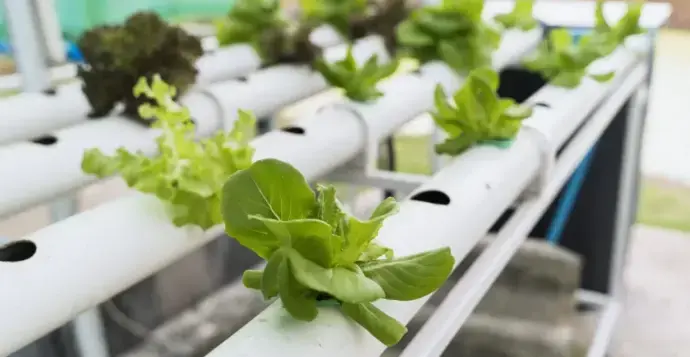
The world of agriculture is undergoing a revolution with the introduction of hydroponic cultivation. This growing method, which uses water-based solutions instead of soil, has generated significant interest due to its unique advantages compared to traditional soil cultivation. In this article, we’ll explore the main differences between hydroponic and traditional cultivation to help you understand which might be the best option for your needs.
Hydroponic cultivation: the agriculture of the future
1. Alternative growing medium:
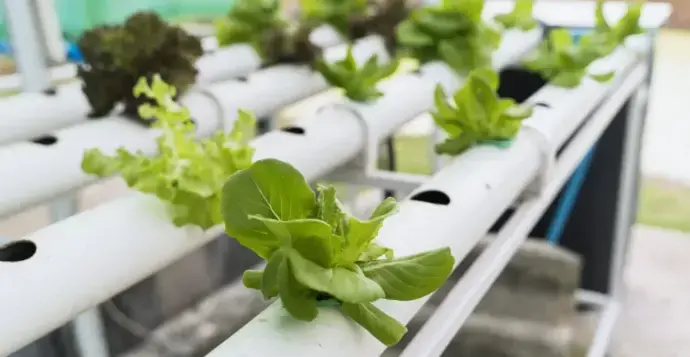
Hydroponic cultivation eliminates soil and uses nutrient solutions to provide essential elements to plants. This allows precise control over what plants receive, resulting in more efficient and healthier growth.
2. Full control over conditions:
One of the biggest attractions of hydroponics is the complete control over growing conditions. From temperature to water pH, everything can be adjusted to meet the plants’ needs, maximizing growth potential.
3. Space efficiency:
Hydroponics is especially suitable for limited spaces. You can grow a significant number of plants in a smaller area, making it ideal for urban or indoor gardens.
4. Efficient water use:
Although water is the primary medium, hydroponics generally consumes less water compared to traditional cultivation, as water is recycled and constantly available to the plants.
5. Accelerated growth:
Hydroponic plants typically grow faster due to the constant availability of nutrients and ideal conditions. This is beneficial for growers seeking quicker harvest cycles.
6. Fewer pest problems:
Hydroponics is less susceptible to soil-borne pests and diseases, reducing the need for pesticides.
Traditional cultivation: the test of time
Natural use of soil:
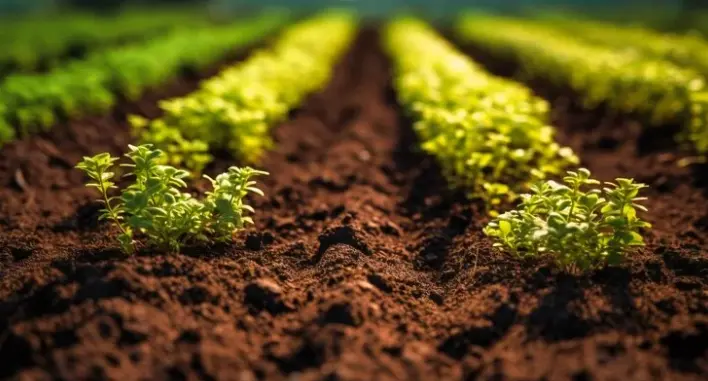
Traditional cultivation relies on natural soil as the growing medium. While it may be less precise in terms of nutrient control, plants thrive in a familiar environment.
Less control over conditions:
Compared to hydroponics, traditional cultivation offers less control over growing conditions, as it is subject to nature and seasonal changes.
Outdoor space:
Traditional cultivation is usually done outdoors, requiring more space. This can be an advantage or disadvantage depending on land availability.
Higher water consumption:
Due to evaporation and drainage, traditional cultivation generally requires more water than hydroponics.
Slower growth:
Plants grown in soil may grow more slowly due to nutrient variability and environmental conditions.
Pest risk:
Traditional cultivation carries a higher risk of soil-borne pests and diseases, which may require pesticide use.
The choice between hydroponic and traditional cultivation depends on your goals, resources, and personal preferences. Both methods have their advantages and disadvantages, and the final decision should be based on your specific needs. While hydroponics represents the agriculture of the future with its efficiency and control, traditional cultivation remains a reliable choice focused on simplicity and the familiarity of soil. The choice is yours!
We hope you found this useful!
Would you like to suggest the next article? Leave us a comment!
See you next time!